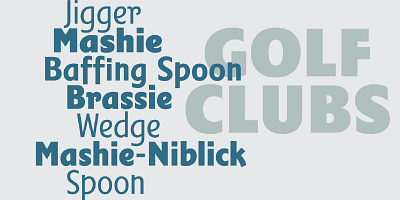
The Fairway Font Family, designed by the renowned British type designer Alan Meeks, is a serif typeface that exudes elegance, sophistication, and precision. Inspired by traditional typography and aimed at offering versatility across various design applications, Fairway embodies a timeless appeal with a modern touch. With its crisp letterforms and finely tuned proportions, this typeface is perfect for formal documents, branding, editorial design, and other creative projects that demand both clarity and style.
Alan Meeks has built a reputation for designing typefaces that seamlessly blend beauty with functionality, and the Fairway Font Family is no exception. Whether used in print or digital media, Fairway delivers high readability and visual impact, making it a go-to font family for designers looking to create polished, professional typography.
Alan Meeks: A Visionary in Typeface Design
Alan Meeks is well known for his extensive work in typography, creating fonts that strike a perfect balance between tradition and modernity. His career has spanned several decades, with typefaces ranging from formal serif fonts to more contemporary sans-serifs, decorative scripts, and display fonts. Meeks’ designs are marked by a meticulous attention to detail, ensuring that each typeface is not only aesthetically pleasing but also highly functional.
The Fairway Font Family stands out as one of Meeks’ more classical designs, drawing inspiration from traditional letterforms while incorporating the practical features needed for modern use. His commitment to craftsmanship is evident in Fairway, a typeface that effortlessly combines style, versatility, and readability.
Design Inspiration and Philosophy
The Fairway Font Family is rooted in classical serif typefaces, with influences drawn from 18th- and 19th-century letterforms. These historical designs, known for their strong serifs, balanced proportions, and sharp contrasts between thick and thin strokes, have been reinterpreted by Alan Meeks to create a typeface that feels both timeless and contemporary. The typeface was designed with the goal of providing a refined, sophisticated look while maintaining high legibility in both text and display sizes.
Fairway is a typeface that carries an air of formality, making it ideal for applications where professionalism and elegance are key. However, Meeks has ensured that it is also adaptable enough to be used across a wide range of design contexts, from corporate branding and editorial layouts to digital interfaces and print media. The font family’s versatility is one of its greatest strengths, allowing it to transition seamlessly between different design environments.
Key Features of the Fairway Font Family
The Fairway Font Family is distinguished by several key design features that contribute to its classic appeal and modern functionality. These characteristics make the typeface a versatile tool for designers looking to create polished, professional typography across various media.
- Crisp and Refined Serifs: Fairway’s most defining feature is its crisp, well-defined serifs. These serifs add structure and formality to the letterforms, giving the typeface a sense of authority and precision. The serifs are neither too ornate nor too minimal, striking a balance that enhances readability while maintaining a polished aesthetic.
- Balanced Proportions: One of the most important aspects of the Fairway Font Family is its balanced proportions. The x-height, ascenders, and descenders are carefully calibrated to ensure optimal legibility, even at smaller sizes. This makes Fairway suitable for both body text and headlines, allowing designers to create harmonious typographic layouts that maintain consistency throughout.
- High Contrast Between Strokes: Fairway exhibits a high contrast between thick and thin strokes, a characteristic commonly found in classical serif typefaces. This contrast adds a sense of elegance and sophistication to the typeface, making it particularly effective for use in headlines, titles, and display settings. The contrast also enhances the visual appeal of the typeface, giving it a dynamic, engaging look on the page.
- Versatile Weight Range: The Fairway Font Family offers a range of weights, from light to bold, allowing designers to create a wide variety of typographic hierarchies. The lighter weights are ideal for text-heavy designs, providing excellent legibility, while the bold weights make a strong impact in headlines and display typography. This versatility makes Fairway a valuable tool for any design project that requires typographic flexibility.
- Elegant Curves and Precise Letterforms: The curves of the letterforms in Fairway are smooth and carefully crafted, contributing to the overall elegance of the typeface. Each letter has been designed with precision, ensuring that the typeface remains legible and visually appealing at any size. The letterforms have a natural flow that enhances readability, making Fairway suitable for both print and digital applications.
- Extended Character Set: Fairway includes an extended character set, offering support for a wide range of languages, diacritical marks, and typographic symbols. This makes the font family suitable for international projects and ensures that it can be adapted to various linguistic and cultural needs. The inclusion of ligatures and alternate characters adds further flexibility, allowing designers to create customized typography for different contexts.
Use Cases for the Fairway Font Family
The Fairway Font Family’s versatility and refined design make it suitable for a wide range of design applications. Its elegant yet functional aesthetic lends itself to projects that require both professionalism and a sense of timeless beauty. Below are some of the most common use cases for Fairway:
- Editorial and Publishing Design: Fairway is an excellent choice for editorial and publishing projects, particularly for use in books, magazines, and newspapers. Its balanced proportions and high contrast make it highly legible in body text, while its bold weights are perfect for headings and titles. The typeface’s classical roots give it a sense of sophistication that is well-suited to literary and academic publications.
- Corporate Branding and Identity: Fairway’s clean, professional appearance makes it an ideal choice for corporate branding and identity design. The typeface conveys reliability, authority, and professionalism, making it perfect for logos, business cards, letterheads, and other branding materials. Its modern edge ensures that it remains relevant in today’s design landscape, while its classical structure lends a sense of gravitas to any corporate identity.
- Formal Documents and Certificates: Fairway’s refined and elegant design makes it a popular choice for use in formal documents, certificates, and awards. The typeface’s crisp serifs and balanced letterforms convey a sense of authority and tradition, making it perfect for use in contexts where formality and professionalism are key.
- Web and Digital Design: Fairway has been carefully designed to perform well in digital environments, making it a great option for web design and digital media. Its clear, well-defined letterforms ensure that it remains legible on screens of all sizes, while its versatility in weights allows for dynamic typographic layouts. Whether used for websites, apps, or digital presentations, Fairway delivers a polished, professional look.
- Signage and Display Typography: The bold weights of the Fairway Font Family make it highly effective for use in signage and display typography. The typeface’s strong serifs and high contrast between strokes ensure that it commands attention in large formats, while its refined design adds a touch of elegance to the display.
- Creative and Luxury Branding: Fairway’s sophisticated design makes it suitable for use in creative and luxury branding. Whether for fashion, hospitality, or high-end products, the typeface’s blend of modern and classical elements adds a sense of exclusivity and refinement to branding projects.
Fairway: A Typeface for Timeless Elegance and Functionality
The Fairway Font Family is a remarkable achievement in type design, offering a balance between classical inspiration and modern usability. Alan Meeks has successfully created a typeface that embodies the elegance and refinement of traditional serif typography while ensuring that it remains functional and versatile for contemporary design applications. Whether used in editorial design, corporate branding, or digital media, Fairway delivers a sense of professionalism, reliability, and timeless beauty.
Alan Meeks’ attention to detail and his respect for typographic traditions are evident in every aspect of the Fairway Font Family. The typeface is designed to be adaptable to a wide range of applications, while its elegant, refined appearance ensures that it remains relevant and impactful across different design contexts. For designers seeking a typeface that combines authority, beauty, and versatility, Fairway is an excellent choice.
Conclusion
The Fairway Font Family, designed by Alan Meeks, is a sophisticated serif typeface that blends classical typographic traditions with modern usability. Its crisp serifs, balanced proportions, and high contrast strokes make it a versatile and elegant choice for a wide range of design projects, from editorial and corporate branding to formal documents and web design.
Alan Meeks has once again demonstrated his mastery of type design with Fairway, creating a typeface that is both beautiful and functional. For designers looking for a font that conveys professionalism, reliability, and timeless elegance, the Fairway Font Family offers a powerful tool that can elevate any project.

 Font Foundry Hub