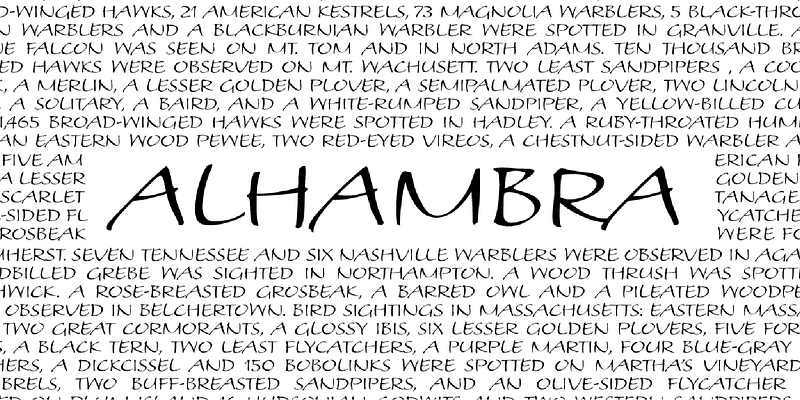
Typography has always been a key element in graphic design, influencing both the aesthetics and functionality of a design. One of the recent additions to the world of type that stands out for its elegance and cultural references is the Alhambra Font, designed by Richard Lipton of Lipton Letter Design. This beautiful typeface draws inspiration from the rich history of Moorish architecture, offering designers an exquisite way to bring depth, historical context, and unique ornamentation to their projects.
A Typeface Inspired by a Cultural Masterpiece
The Alhambra is an iconic fortress and palace complex in Granada, Spain, built during the Nasrid dynasty in the 13th and 14th centuries. It is renowned for its elaborate arabesques, intricate tilework, and harmonious proportions. With its geometrical precision and stunning craftsmanship, the Alhambra represents a high point of Islamic art in Europe, and it is these visual cues that served as the inspiration for Richard Lipton in designing the Alhambra Font.
The Alhambra Font brings forth the essence of this cultural masterpiece by encapsulating elements of Islamic calligraphy, Moorish architectural patterns, and the flowing elegance of Andalusian decoration. Lipton meticulously studied the architectural elements and translated their fluid lines, harmonious geometry, and ornamental detailing into typographic forms. The result is a typeface that speaks of history, elegance, and visual intricacy while remaining versatile enough for modern applications.
Design Characteristics
The Alhambra Font embodies a strong sense of history while maintaining a modern twist. It combines the beauty of a classical serif font with distinct decorative features that draw on the elaborate motifs and complex patterns found in Moorish architecture. Here are some of the distinctive design characteristics of the typeface:
- Elegant Serifs: The Alhambra typeface features graceful serifs that echo the pointed arches and tracery found in Moorish architecture. The serifs are elongated in places, adding a flourish to the letterforms, much like the artistic embellishments that adorn the Alhambra complex.
- Ornamental Details: Alhambra incorporates small flourishes and details that mimic the intricate arabesques seen in Islamic tilework. These ornamental features are subtle enough not to distract from legibility but present a beautiful enhancement to the letterforms.
- Flowing Curves and Lines: Reflecting the fluid and organic nature of Arabic calligraphy, the Alhambra Font has a natural, flowing structure. Its curves are smooth, conveying a sense of movement that is evocative of hand-lettering while maintaining balance and sophistication.
- Geometric Harmony: The careful geometry used in designing the Alhambra complex is reflected in the symmetrical proportions of the font. Each letter is designed with precision to provide a consistent and visually pleasing rhythm that adds to the overall harmony of the text.
A Tribute to Andalusian Heritage
Richard Lipton’s Alhambra Font is more than just a typeface; it is a celebration of Andalusian heritage and an homage to a pivotal era in history. The typeface captures the artistic essence of medieval Granada, translating the grandeur and spiritual beauty of the Alhambra palace into typographic form. The font’s elegant shapes and refined details evoke a sense of nostalgia for an era when art, architecture, and craftsmanship flourished under the Nasrid dynasty.
The Alhambra Font strikes a balance between cultural specificity and versatility. While its ornamental characteristics are inspired by the Alhambra, it does not confine itself to niche usage. It works well in both historical contexts and modern applications, making it a versatile typeface for a range of design projects.
Usage Scenarios and Applications
Alhambra is a display font, perfect for creating a striking visual impact in a variety of contexts. Here are some of the ways in which the font can be used to its best advantage:
- Book Covers and Editorial Design: The Alhambra Font is ideal for book covers, especially historical fiction, art books, and poetry collections. The ornate details and elegant forms evoke a sense of timeless beauty, making it suitable for any publication that needs a touch of sophistication.
- Branding and Logo Design: For brands looking to convey an aura of luxury, history, and craftsmanship, Alhambra is an ideal choice. Its ornamental qualities and refined serifs give it an upscale feel that works well for branding projects, particularly those involving boutique hotels, artisanal products, or high-end retail.
- Invitations and Event Collateral: The intricate and beautiful letterforms make Alhambra a perfect choice for invitations, menus, and other event collateral. Whether it’s a wedding, an upscale dinner, or a cultural event, the font adds a touch of elegance that sets the tone for the occasion.
- Headlines and Display Typography: Alhambra’s unique personality shines in large sizes, making it a great choice for headlines, posters, and signage. It commands attention and brings a sense of grandeur and sophistication to any display application.
Technical Details
The Alhambra Font is available in multiple weights, ranging from Light to Bold, which adds to its versatility. The varying weights make it possible to use the typeface for different levels of text hierarchy, from headings to subheadings to body text. The font is also equipped with OpenType features, including stylistic alternates, ligatures, and decorative swashes that allow designers to further personalize their work and add more ornamental flourishes to their text.
Richard Lipton and Lipton Letter Design
Richard Lipton is a distinguished type designer known for his thoughtful and meticulous approach to creating typefaces that are both beautiful and functional. Lipton has been designing type for over four decades, and his work includes a variety of display and text fonts that have been used widely across the graphic design industry. His passion for lettering and calligraphy is evident in every typeface he creates, and Lipton Letter Design has become synonymous with quality and elegance in the world of type design.
The Alhambra Font is a testament to Lipton’s skill as a designer and his ability to translate cultural and historical influences into a functional, contemporary typeface. His dedication to preserving the beauty of historical design traditions while making them accessible for modern use is what sets his work apart.
Conclusion
The Alhambra Font by Richard Lipton of Lipton Letter Design is a masterful blend of cultural history and contemporary design. Inspired by the architectural marvel that is the Alhambra, the typeface brings together elegance, ornamentation, and geometric harmony to create a font that is both beautiful and versatile. Whether used for editorial projects, branding, or special events, Alhambra adds a touch of history and sophistication that elevates any design it graces.
Its careful balance of intricate details and functional legibility makes Alhambra a valuable addition to any designer’s toolkit—a timeless tribute to the past with a modern sensibility that will continue to inspire and captivate for years to come.

 Font Foundry Hub