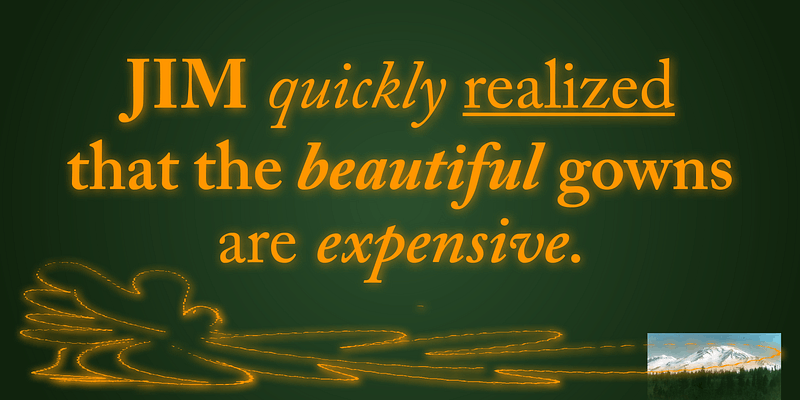
The Adobe Caslon Font Family, designed by Carol Twombly for Adobe Originals, stands as one of the most respected and widely used typefaces in modern typography. A revival of the classic serif typeface designed by English typefounder William Caslon in the 18th century, Adobe Caslon merges historical authenticity with the versatility and functionality needed for contemporary design.
Known for its robust character, legibility, and timeless elegance, Adobe Caslon has been a staple in book design, editorial work, branding, and even government documents. Whether in print or digital media, Adobe Caslon retains the warmth and readability of its 18th-century predecessor while providing designers with the precision and flexibility of a modern digital type family.
The Historical Context: William Caslon’s Legacy
William Caslon, the original designer of the Caslon typeface, was one of the most influential figures in English typography during the 18th century. Caslon’s designs were based on the Old Style typefaces of the Renaissance but with a distinctly English character. His typefaces were known for their legibility, robustness, and warmth, qualities that made them immensely popular in English publishing.
Caslon’s typefaces were used extensively in English printing and became particularly well-known for their role in printing some of the most important documents in history. For example, Caslon’s type was famously used to print the Declaration of Independence in 1776, cementing its place in typographic history.
Caslon’s typefaces fell out of favor during the late 19th century as Modernist designs like Bodoni and Didot gained prominence. However, in the early 20th century, there was a renewed interest in Caslon, as designers sought to bring back the warmth and classic elegance of Old Style typefaces. This revival eventually led to the creation of Adobe Caslon, designed by Carol Twombly in 1990.
Carol Twombly’s Revival: Crafting Adobe Caslon
Carol Twombly, one of the most renowned type designers of the 20th century, took on the challenge of reviving Caslon for the digital age. Twombly’s deep understanding of historical type design, combined with her technical expertise, made her the perfect candidate for this ambitious project. Her goal was to stay faithful to William Caslon’s original designs while adapting them for modern digital typography.
To achieve this, Twombly meticulously studied the original metal type specimens created by Caslon, analyzing the proportions, stroke contrast, and overall design of the letterforms. She sought to retain the irregularities and humanistic qualities of the original typeface, which gave it its distinctive charm, while ensuring that Adobe Caslon would perform well in contemporary settings, from print to digital formats.
One of Twombly’s key achievements with Adobe Caslon was her ability to maintain the integrity of the Old Style letterforms while introducing modern refinements that enhance the typeface’s versatility. Adobe Caslon captures the essence of 18th-century typography but with the precision and consistency required for today’s design workflows.
Design Characteristics of Adobe Caslon
Adobe Caslon retains many of the defining features of William Caslon’s original typeface, while incorporating subtle refinements that make it more suitable for modern use. Some of the key design characteristics of Adobe Caslon include:
- Old Style Proportions: Adobe Caslon, like its historical predecessor, follows the proportions of Old Style typefaces, characterized by moderate contrast between thick and thin strokes, diagonal stress, and bracketed serifs. These features give the typeface a warm, organic feel, making it ideal for long-form text and body copy.
- Readable Letterforms: One of the reasons for the enduring popularity of Caslon is its exceptional readability. Adobe Caslon continues this tradition with letterforms that are clear, balanced, and easy to read even at smaller sizes. This makes it a preferred choice for book design, magazines, and other editorial projects.
- Humanistic Touch: Twombly preserved the irregularities and quirks of Caslon’s original designs, such as slightly uneven stroke widths and organic curves. These humanistic elements give Adobe Caslon a warm, approachable quality, distinguishing it from more geometric or mechanical serif typefaces.
- Versatile Weights and Styles: Adobe Caslon is available in a range of weights, from Regular to Bold, as well as Italic styles that capture the fluidity and grace of handwritten italics. This variety makes Adobe Caslon adaptable to different typographic hierarchies, from headlines and subheads to body text and captions.
- Balanced Contrast: Unlike Modern typefaces like Bodoni, which have a very high contrast between thick and thin strokes, Adobe Caslon features more balanced contrast, giving it a softer, less formal appearance. This makes it particularly well-suited for applications where readability and approachability are paramount.
Applications of Adobe Caslon
Thanks to its legibility, warmth, and timeless character, Adobe Caslon is one of the most versatile typefaces available today. It has been used across a wide range of design applications, from books and magazines to branding and government documents. Here are some of the most common uses for Adobe Caslon:
- Book Design: Adobe Caslon is a favorite among book designers for its readability and classic elegance. Its Old Style proportions and humanistic design make it ideal for setting long-form text, allowing readers to immerse themselves in the content without being distracted by the typeface. Adobe Caslon’s versatility also makes it suitable for book titles, chapter headings, and body text.
- Editorial Design: Magazines, newspapers, and journals often rely on Adobe Caslon for its readability and timeless aesthetic. Its ability to convey a sense of tradition and authority makes it a strong choice for editorial projects that require a formal yet approachable tone. The variety of weights and styles within the Adobe Caslon family also allows designers to create clear, hierarchical layouts.
- Corporate Branding: While Adobe Caslon is often associated with editorial design, it also works beautifully in corporate branding. Companies that want to project an image of tradition, trust, and stability often turn to serif typefaces like Adobe Caslon for their logos, letterheads, and marketing materials. Its historical roots and formal design give brands a sense of permanence and reliability.
- Government and Legal Documents: Adobe Caslon is frequently used in government publications and legal documents due to its clear, authoritative appearance. Its use in formal, official contexts dates back to the 18th century, and it continues to be a popular choice for projects that require a degree of gravitas and historical significance.
- Invitations and Special Occasions: Adobe Caslon’s elegant letterforms and classical design make it a popular choice for wedding invitations, event programs, and other special occasions where a formal, refined typeface is needed. Its graceful italics and balanced proportions add a touch of sophistication to any design.
Carol Twombly’s Impact on Typography
Carol Twombly’s work on the Adobe Caslon Font Family is a testament to her expertise in type design and her deep respect for historical typefaces. Twombly is known for her ability to breathe new life into classic designs, making them relevant and functional for modern designers while preserving their historical integrity.
In addition to Adobe Caslon, Twombly has designed several other renowned typefaces, including Adobe Garamond, Trajan, and Myriad. Each of these typefaces demonstrates her ability to balance historical accuracy with modern functionality, and Adobe Caslon is no exception.
Twombly’s careful study of William Caslon’s original designs allowed her to create a revival that feels authentic and true to its source material, while also meeting the demands of contemporary typography. Her work on Adobe Caslon has ensured that this typeface remains a favorite among designers and typographers more than two centuries after the original Caslon was created.
Why Adobe Caslon Remains Relevant
Despite its roots in the 18th century, Adobe Caslon remains one of the most relevant and widely used typefaces in modern design. Its readability, versatility, and timeless elegance make it an enduring favorite across a variety of design disciplines.
One of the reasons for Adobe Caslon’s continued popularity is its ability to adapt to modern typographic needs. Whether used in print or digital formats, Adobe Caslon performs beautifully, ensuring clear, readable text without sacrificing its classical charm. Its rich history and connection to William Caslon’s original designs also give it an added layer of significance, making it a typeface with a story to tell.
Conclusion
The Adobe Caslon Font Family, designed by Carol Twombly for Adobe Originals, is a masterpiece of type design that honors the legacy of William Caslon while adapting his work for the digital age. With its Old Style proportions, humanistic touches, and timeless character, Adobe Caslon is a versatile typeface that continues to be used in a wide range of design applications, from book and editorial design to corporate branding and formal documents.
Carol Twombly’s revival of Caslon is a testament to her skill as a type designer and her respect for the historical foundations of typography. Adobe Caslon not only preserves the beauty and readability of its 18th-century predecessor but also provides modern designers with a functional and flexible type family that will continue to inspire for years to come.

 Font Foundry Hub