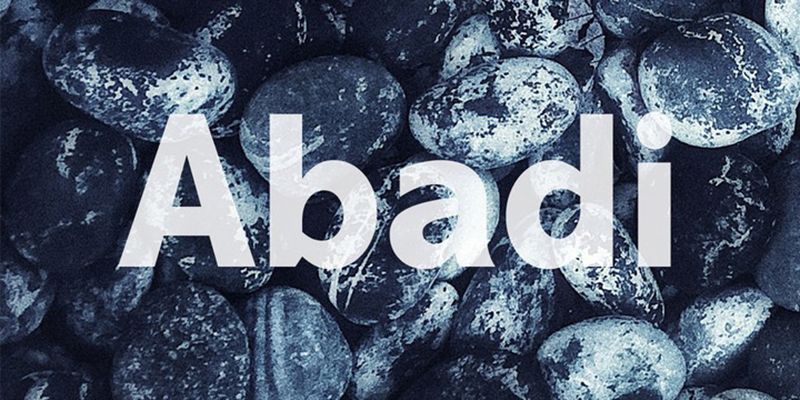
The Abadi Font Family, designed by Ong Chong Wah and published by FontFont, is a humanist sans-serif typeface known for its clarity, legibility, and versatility. Since its creation, Abadi has gained recognition for its ability to perform well in a wide variety of design applications, from editorial layouts and corporate branding to digital interfaces and signage. Its combination of geometric precision and humanist warmth makes Abadi a reliable typeface for both print and digital use.
This article explores the history, design characteristics, and various applications of the Abadi Font Family, shedding light on why it remains a popular choice among designers and typographers.
The Origin and Design Philosophy of Abadi
Abadi was designed in the early 1980s by Ong Chong Wah, a British-Malaysian type designer who wanted to create a typeface that balanced humanist ideals with modern geometric precision. The font was commissioned and published by FontFont, one of the world’s leading digital font foundries, which has a long history of producing innovative and widely used typefaces.
Ong Chong Wah’s inspiration for Abadi came from the classical humanist sans-serif tradition, which emphasizes the use of organic letterforms, inspired by the calligraphy and proportions of the human hand. However, Abadi also incorporates a contemporary twist, with geometric shapes and clean lines that make it ideal for modern design contexts. This balance of classical and modern elements is at the heart of Abadi’s design philosophy.
One of Ong Chong Wah’s key goals was to create a highly legible typeface that could perform well across different mediums and sizes. As a result, Abadi is known for its readability and clarity, even in small text sizes. This makes it a highly functional typeface for a variety of uses, from body text in print media to user interfaces in digital environments.
Design Characteristics of the Abadi Font Family
The Abadi Font Family stands out due to its thoughtful design and attention to detail. Several key characteristics define this typeface and contribute to its widespread popularity among designers:
- Humanist Letterforms: Abadi is rooted in the humanist tradition of type design, which is reflected in its open, flowing shapes. The letterforms are inspired by classical calligraphy, giving the typeface a natural, approachable feel. This humanist influence is particularly evident in the rounded terminals and subtle variations in stroke width, which give Abadi its warm and friendly appearance.
- Geometric Precision: While Abadi is based on humanist principles, it also incorporates elements of geometric design. The letterforms are clean and precise, with consistent proportions and balanced shapes. This geometric precision ensures that Abadi remains legible and functional across a range of sizes and applications, from small body text to large headlines.
- Wide Range of Weights and Styles: The Abadi Font Family offers a comprehensive range of weights, from light to bold, as well as italic styles. This variety allows designers to choose the appropriate level of emphasis for their projects, whether they need a light, subtle font for body text or a bold, attention-grabbing style for headlines and logos. The italic styles are well-designed, with a natural slant that complements the upright forms.
- Optimized for Readability: One of Abadi’s defining characteristics is its emphasis on readability. The typeface is designed to perform well in both large and small sizes, making it an excellent choice for body text in books, magazines, and digital platforms. The open apertures (the spaces inside the letters like “a” and “e”) contribute to the font’s legibility, especially at small sizes, where clarity is essential.
- Neutral but Expressive: While Abadi maintains a neutral tone, making it suitable for a wide range of uses, it also has a subtle expressiveness that sets it apart from more rigid, mechanical sans-serif fonts. The humanist elements, such as the slightly angled terminals and the gentle curves in the letterforms, give the typeface a sense of personality without being overly decorative.
- Extended Character Set: The Abadi Font Family includes an extensive character set, covering uppercase and lowercase letters, numerals, punctuation, and special characters. This makes it a versatile typeface that can handle a wide range of design needs, including multilingual projects.
The Aesthetic Appeal of Abadi
Abadi’s aesthetic appeal lies in its ability to balance classical and modern design elements, making it suitable for both formal and informal applications. The humanist influence in the letterforms gives the typeface a welcoming and approachable feel, while the geometric precision ensures that it remains clean and professional. This balance makes Abadi an excellent choice for projects that require a typeface that is both functional and aesthetically pleasing.
In print, Abadi’s clarity and openness make it ideal for long-form text, such as in books or magazines. Its subtle elegance and neutrality also make it suitable for corporate reports, brochures, and marketing materials, where legibility and professionalism are key.
In digital environments, Abadi excels in user interfaces, websites, and mobile apps due to its high legibility at small sizes and its ability to maintain clarity on screen. The font’s clean lines and open forms ensure that it performs well in both high-resolution and low-resolution displays, making it a versatile choice for web and digital design.
Ideal Applications for Abadi
Abadi’s versatility and functionality make it an ideal typeface for a wide range of design applications. Some of the most common and effective uses of Abadi include:
- Corporate Branding and Identity: The neutral yet expressive nature of Abadi makes it a popular choice for corporate branding. Its clean, professional appearance conveys trustworthiness and reliability, while its humanist elements give it a friendly and approachable feel. Abadi can be used across a company’s entire brand identity, from logos and business cards to websites and marketing materials.
- Editorial and Print Design: Abadi’s readability and clarity make it an excellent choice for editorial design, such as in books, magazines, newspapers, and brochures. Its range of weights and styles allows designers to create visual hierarchy in layouts, ensuring that both body text and headlines are easy to read and visually appealing.
- Web and Digital Design: In digital environments, legibility is crucial, and Abadi delivers in this regard. The font’s clean, open letterforms ensure that it remains readable on screens, making it an ideal choice for websites, mobile apps, and digital interfaces. Abadi’s versatility also makes it suitable for both body text and headlines in web design.
- Signage and Wayfinding: Abadi’s clarity and geometric precision make it well-suited for signage and wayfinding systems. Its legibility at large sizes ensures that the text remains easy to read from a distance, making it ideal for indoor and outdoor signage in corporate offices, airports, museums, and public spaces.
- Presentations and Reports: Abadi’s neutral, professional appearance makes it an excellent choice for presentations, reports, and corporate documents. Its readability ensures that information is conveyed clearly and effectively, while its humanist elements add a touch of warmth and approachability.
- Packaging Design: Abadi’s versatility extends to product packaging, where its clean, modern aesthetic can enhance the visual appeal of a brand. Whether used for food packaging, cosmetics, or consumer electronics, Abadi’s balance of elegance and clarity ensures that the product’s message is conveyed effectively.
Ong Chong Wah’s Design Legacy
Ong Chong Wah is a highly respected type designer whose work reflects a deep understanding of the principles of typography. His approach to type design is characterized by a focus on readability, functionality, and aesthetic balance. Abadi, one of his most notable creations, exemplifies these qualities, combining humanist warmth with modern geometric precision.
Through his work on Abadi, Ong Chong Wah has contributed significantly to the world of typography, creating a typeface that is both timeless and versatile. His ability to blend classical typographic principles with contemporary design trends ensures that Abadi remains a relevant and popular typeface, even decades after its creation.
Conclusion
The Abadi Font Family, designed by Ong Chong Wah from FontFont, is a humanist sans-serif typeface that excels in readability, versatility, and aesthetic appeal. Its combination of geometric precision and humanist warmth makes it a reliable choice for a wide range of design applications, from corporate branding and editorial design to web interfaces and signage.
With its extensive character set, range of weights, and emphasis on legibility, Abadi offers designers a flexible and functional typeface that can adapt to both print and digital environments. Whether used in long-form text, headlines, logos, or signage, Abadi delivers both clarity and elegance, making it an essential tool for modern design.

 Font Foundry Hub